Chocolate Donut: A Pro Review for Branded Merch
As an embroidery designer who has spent years digitizing and stitching for small businesses, I approach every new machine embroidery design with a critical eye. It is not just about whether a file looks cute on a screen; it is about how that digital embroidery file translates into a tangible asset that builds brand identity. Today, I am reviewing the Chocolate Donut design to see if it holds up under the rigorous demands of commercial embroidery, specifically for bakeries, cafes, boutique owners, and handmade brands looking to elevate their merchandise.
First Impressions: Playful Yet Professional
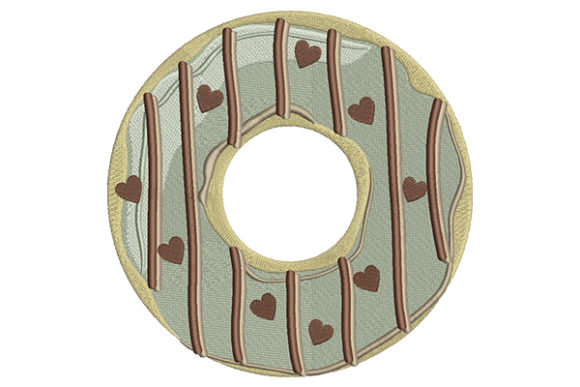
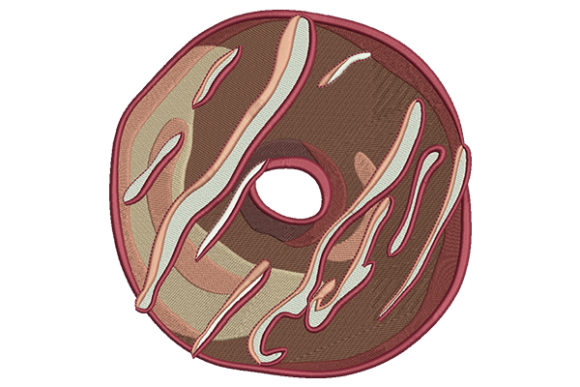
Upon loading the Chocolate Donut file, the immediate impression is one of approachable warmth. In the world of Dessert themed graphics, there is often a fine line between childish clipart and sophisticated branding. This design leans heavily into a friendly, playful aesthetic without sacrificing clarity. For a local bakery or a creative studio, this visual personality is gold. It signals comfort and sweetness, which are essential emotions for customer engagement in the food and gift sectors.
The design feels modern yet classic enough to avoid looking dated in a year. For small business merch, consistency is key. If your brand voice is welcoming and artisanal, this Embroidery asset fits perfectly. However, for a high-end luxury brand, one might need to evaluate if the playful nature aligns with a more serious tone. For most independent sellers on Etsy or local shop owners, the balance here is spot on for creating a memorable finished product.
Real-World Application for Business Assets
The true test of any design is its versatility across different substrates. The Chocolate Donut shines when applied to custom apparel and accessories. Imagine a team of baristas wearing aprons; adding this design as a chest accent or pocket detail instantly unifies the staff while reinforcing the shop's specialty. Apron embroidery requires durability, and assuming the digitizing quality matches the "high quality" description, this should withstand the rigors of a busy kitchen environment.
Beyond uniforms, consider the potential for an embroidered patch. Patches are a massive trend in small business merch right now. You could stitch this design onto a twill backing, cut it out, and sell it as a standalone item or sew it onto denim jackets and tote bags. A tote bag design featuring this donut could serve as a perfect promotional giveaway for customers who spend over a certain amount, turning a simple bag into a walking advertisement.
For cap embroidery, the curved surface presents unique challenges, but a well-digitized round motif like a donut often sits well on the front panel of a baseball cap. It offers a compact way to brand headwear without overwhelming the limited real estate. Furthermore, for handmade product creators, this design can be used as a label accent on packaging or attached to plush toys and home decor items, adding value to the handmade product through professional detailing.
Technical Considerations and Potential Pitfalls
While the aesthetic appeal is strong, we must discuss where caution is required. When scaling down the Chocolate Donut for tiny applications, such as a small sleeve logo or a narrow hat band, you must inspect the stitch density. High density in small areas can lead to puckering, especially on lighter fabrics. If the design relies on very fine details or tiny lettering (if included in the variant you purchase), these elements may disappear or merge when stitched at sizes under two inches.
Fabric texture also plays a crucial role. On textured materials like canvas totes or rough linen, the smooth gradients of chocolate icing might lose definition. It is vital to test the design on the actual fabric you intend to use. Additionally, dark uniforms require careful attention to thread colors. Ensure there is sufficient contrast between the donut design and the garment color; a dark brown thread on a black apron will render the design invisible. Always request a printable mockup or stitch a sample on scrap fabric before committing to a large production run.
Another technical factor is the hoop size. While the description suggests versatility, you must confirm the specific dimensions of the file you download. If your commercial machine has a limited hoop area, ensure the design fits without requiring re-hooping, which can introduce alignment errors. Similarly, the choice of stabilizer is non-negotiable. For stretchy fabrics like t-shirts, a cut-away stabilizer is often necessary to prevent distortion over time, whereas tear-away might suffice for stable woven fabrics like twill patches.
Impact on Brand Identity and Customer Trust
Incorporating a professional-grade design like Chocolate Donut directly influences customer perception. Sloppy embroidery with loose threads or poor registration signals a lack of care, whereas crisp, clean stitching communicates professionalism. When a customer receives a tote bag or sees a staff member in a well-branded uniform, it builds trust. It tells them that the business invests in quality, which subtly implies that their core products—whether coffee, pastries, or crafts—are also of high quality.
Visual consistency across all design assets is what separates hobbyists from established brands. Using this design consistently across aprons, packaging accents, and social media mockups creates a cohesive visual language. This recognition fosters loyalty; customers begin to associate the image of the chocolate donut with the positive experience they had at your shop. For Etsy sellers and online merchants, high-quality photos of the embroidered item can significantly boost buyer engagement and conversion rates.
Designer Notes for Production Success
Before you begin stitching for clients or your own inventory, follow these practical steps to ensure success with the Chocolate Donut:
- Test in Monochrome: Before committing to colorful threads, stitch a sample in black and white or a single color. This helps you evaluate the shape and density without the distraction of color blending.
- Check Small Scale Viability: Stitch the design at its smallest intended size to ensure no details are lost. If it looks muddy, you may need to simplify the file or increase the size.
- Verify Thread Contrast: Lay your physical thread spools against the garment fabric to ensure the colors pop effectively.
- Inspect Spacing and Saturation: Look closely at the satin stitches. Are they too wide, risking snagging? Are they too narrow, causing the fabric to show through?
- Confirm Hoop Compatibility: Double-check the dimensions against your machine's capabilities to avoid mid-stitch errors.
- Use Proper Stabilizer: Match the stabilizer weight and type to the fabric texture to prevent puckering or shifting.
- Create Client Mockups: Always present a digital or physical mockup to your client for approval before running the full batch.
- Review Licensing: Since this is for commercial embroidery, strictly confirm the license terms. Ensure you have the right to sell finished goods containing this design.
The product description notes that this is a "high quality embroidery" suitable for various projects, but it does not specify exact stitch counts, file formats, or specific license limitations. Therefore, it is imperative to check the detailed documentation provided with the download before starting production. By taking these precautions, the Chocolate Donut can become a staple in your library of profitable, brand-enhancing designs.