Christmas Maltese: A Designer's Review for Holiday Projects
As someone who spends more time at the embroidery machine than away from it, I approach every new machine embroidery design with a critical eye. It is not just about whether the image looks cute on a screen; it is about how those digital vectors translate into thread, tension, and texture on actual fabric. Recently, I had the chance to evaluate the Christmas Maltese design, and I want to share my practical insights on how this file performs in real-world scenarios for crafters, small business owners, and fellow designers.
First Impressions and Visual Personality
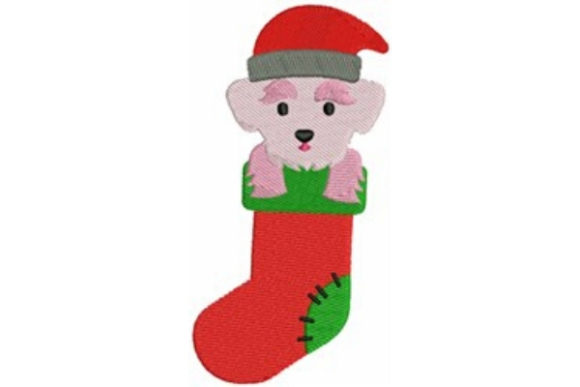
When I first loaded the preview of the Christmas Maltese, the immediate feeling was one of cozy elegance. There is a specific charm to featuring dog breeds in holiday art, and this design captures the spirited yet gentle nature of the Maltese perfectly. The layout feels balanced, avoiding the clutter that often plagues seasonal designs. Instead of overwhelming the viewer with too many snowflakes or holly berries, the focus remains squarely on the subject, creating a clean visual hierarchy that works well for both large statement pieces and smaller accents.
The mood it creates is undeniably festive but sophisticated. It avoids the cartoonish exaggeration found in lower-quality files, opting instead for a representation that feels respectful to the breed. For an Etsy seller or boutique owner, this distinction is crucial. Your customers are looking for quality, and a design that looks professional in a printable mockup will convert better than one that looks amateurish. The Christmas Maltese has that "finished product" appeal right out of the gate, suggesting it will elevate the perceived value of whatever item you stitch it onto.
Real-World Application: The Holiday Tote Scenario
To truly test a design, I like to imagine it in a specific project context. Let's say you are preparing a run of custom tote bags for a local craft fair or as personalized gifts for family members. The Christmas Maltese shines here. I envisioned stitching this onto a natural canvas tote using a cream-colored thread for the dog and rich reds and greens for the holiday accents.
In this scenario, the design's clarity is key. Canvas has a distinct weave, and some intricate embroidery files get lost in the texture. However, the shapes in this design appear robust enough to stand out against the fabric grain. If you were to use this for sweatshirt embroidery on a fleece blank, the softness of the garment would complement the fluffy appearance of the Maltese coat. It creates a tactile experience where the visual softness of the dog matches the physical softness of the apparel.
For those running a craft business, versatility is money. This design could easily transition from a tote bag to a kitchen towel, making it an excellent choice for coordinated gift sets. Imagine a set including an apron and a matching tea towel; the Christmas Maltese provides a consistent branding element that ties the collection together without feeling repetitive.
Navigating Fabric Choices and Technical Challenges
While the design is strong, no embroidery project is without its technical considerations. One area where you need to exercise caution is fabric selection. Because the Maltese is a white dog, stitching this design on a dark fabric requires careful planning. You must ensure there is adequate underlay or a solid fill background to prevent the dark fabric from showing through the lighter thread colors, which can muddy the details.
If you are working with stretchy fabrics like jersey knits for custom apparel, the stability of the design becomes paramount. Dense stitch areas, particularly if the design utilizes significant fill stitch work for the fur texture, can cause puckering if the stabilizer isn't up to the task. I strongly recommend using a cut-away stabilizer for garments that will be washed frequently, rather than a tear-away, to maintain the integrity of the finished product over time.
Another consideration is the hoop size. While the description suggests it fits various projects, always check the specific dimensions of the digital embroidery file before committing to a small item like a baby onesie or a cap. Curved surfaces, such as the front of a baseball cap, can distort designs that have wide horizontal spreads. If the Christmas Maltese has a wide stance, it might require careful hooping techniques or might be better suited for flat items like pillow covers or patches.
Enhancing Brand Value and Customer Trust
For small shop product creators, the choice of design assets directly impacts brand consistency. Using a high-quality design like the Christmas Maltese signals to your customers that you care about the details. When a customer receives a personalized gift featuring crisp lines, smooth satin stitch borders, and well-defined features, their trust in your brand grows. They are more likely to return for future purchases or recommend your shop to others.
In the competitive world of holiday embroidery, standing out is difficult. Many sellers use the same generic clip-art converted into stitches. By choosing a specialized breed design, you tap into a niche market of dog lovers who are often willing to pay a premium for products that reflect their specific passions. Whether you are selling embroidered patches for jackets or full-back designs on coats, this level of specificity enhances buyer engagement.
Practical Notes for the Professional Stitcher
Before you start stitching on your final goods, here are a few professional habits to adopt with this design:
- Test on Scrap Fabric: Always stitch a sample on the same type of fabric you intend to use for the final product. This reveals how the thread colors interact with the material and whether the stitch density causes any pulling.
- Check Color Contrast: Review the design in black and white mode if your software allows. This helps identify if any light areas will disappear against dark backgrounds.
- Verify Licensing: As a commercial embroidery asset, ensure you understand the license terms. Can you sell the finished physical items? Are there restrictions on the number of units? Never assume; always read the documentation provided with the embroidery file.
- Inspect Small Details: Look closely at the eyes and nose of the Maltese in the preview. These tiny details often determine the success of the portrait. If they rely on very fine running stitch work, ensure your machine is well-oiled and your needles are sharp.
Ultimately, the Christmas Maltese represents a solid investment for your design library. It bridges the gap between seasonal novelty and timeless pet portraiture. Whether you are creating a one-off baby embroidery piece for a new arrival in December or stocking up inventory for a bustling holiday market, this design offers the reliability and aesthetic appeal that professional makers demand. Just remember to respect the materials, choose your stabilizer wisely, and let the quality of the stitch do the talking.