Flying Seagull Bird: A Designer's Review for Personalized Gifts
As an embroidery designer who spends countless hours testing machine embroidery design files for my own shop and client projects, I approach every new pattern with a critical eye. When I first loaded the Flying Seagull Bird onto my screen, I was immediately struck by its sense of freedom and movement. There is a specific charm to avian motifs; they evoke feelings of travel, nature, and tranquility. This particular design fits perfectly into the Birds category, offering a silhouette that feels both classic and modern. For those of us creating handmade product lines, finding a design that balances detail with stitch efficiency is crucial, and this file shows great promise for a variety of personalized applications.
First Impressions: Mood and Aesthetic Appeal
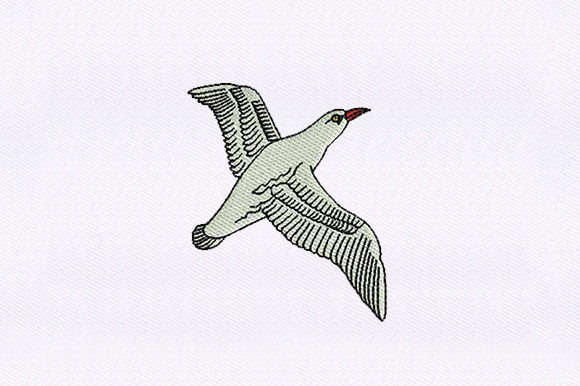
The initial mood of the Flying Seagull Bird is undeniably uplifting. Unlike some static bird illustrations, this design captures the creature in mid-flight, wings extended, which adds a dynamic energy to any fabric it touches. The level of detail appears sufficient to create a recognizable shape without becoming so dense that it compromises the drape of the material. It feels elegant yet playful, making it a versatile choice for everything from a whimsical nursery item to a sophisticated wedding keepsake. The emotional appeal here is strong; seagulls often remind people of coastal vacations, summer breezes, and peaceful moments by the water. This emotional connection is exactly what drives sales for Etsy seller accounts and small boutique owners looking to create items that resonate deeply with buyers.
Versatility Across Product Categories
One of the most exciting aspects of reviewing the Flying Seagull Bird is visualizing its potential across different product types. For baby product creators, this design is a standout candidate for baby embroidery. Imagine a soft muslin swaddle or a cotton onesie featuring a delicate seagull in soft blues and greys. It serves as a gentle, gender-neutral motif that works beautifully for coastal-themed nurseries. Similarly, for wedding gift designers, this motif can be elevated into a romantic wedding gift when stitched onto linen napkins or a cake server ribbon, perhaps accompanied by the couple's initials.
I also see immense potential for home decor enthusiasts. An embroidered towel for a beach house kitchen or a guest bathroom instantly gains character with this addition. Furthermore, applying this design to a canvas tote bag or a decorative pillow cover creates a cohesive look for customers who love nautical aesthetics. For those selling at craft fairs, having a consistent theme like "Coastal Living" using this single digital embroidery file across blankets, aprons, and wall hangings can help build a strong brand identity. The key is how the design translates from the screen to the finished product, and based on its structure, it seems ready to handle these diverse substrates.
Technical Considerations and Fabric Challenges
However, enthusiasm must always be tempered with technical prudence. Before committing to a large batch of custom orders, there are several areas where the Flying Seagull Bird requires careful handling. First, consider the fabric texture. While the design looks crisp on smooth cotton, textured fabrics like waffle weave towels or thick terry cloth can obscure finer details. If you are stitching on a heavy towel, you may need to adjust your underlay settings or choose a slightly larger version of the design if available in the package.
Stretchy fabrics, common in baby embroidery projects like bodysuits, present another challenge. Without the proper stabilizer, the wings of the seagull could pucker or distort during washing. I strongly recommend using a cut-away stabilizer for stretchy garments to ensure the design remains stable over time. Additionally, pay close attention to thread colors. On dark fabrics, the contrast might be lost if the original color palette is too subtle. Creating a printable mockup or doing a test run on scrap fabric of the intended color is essential to verify visibility.
Curved surfaces, such as the pocket of a cap or a rounded pillow edge, also demand precision in hooping. Ensure your hoop size is appropriate for the design dimensions to avoid "hoop burn" or misalignment. Since the product description mentions high quality but does not specify exact metrics, you must verify the stitch density yourself. High-density areas can make fabric stiff, which is undesirable for items like baby blankets or wearable aprons that need to remain soft against the skin.
Enhancing Perceived Value and Customer Trust
In the world of small shop product creation, perceived value is everything. A well-executed Flying Seagull Bird embroidery signals to the customer that care and skill went into the item. It transforms a generic store-bought towel into a bespoke personalized gift. This elevation in quality fosters customer trust and encourages repeat business. When potential buyers see clean satin stitches and sharp details in your product photography, they associate that professionalism with your entire brand.
Furthermore, this design aids in buyer engagement. Nature-themed Embroidery tends to perform well on social media platforms where visual storytelling is key. Posting behind-the-scenes content of the seagull being stitched, showing the thread selection process, or displaying the final item in a styled coastal setting can drive significant traffic to your listings. It allows you to tell a story about relaxation and nature, which is a powerful marketing tool.
Practical Steps for Success
To ensure the best results with the Flying Seagull Bird, I recommend following this checklist before fulfilling customer orders:
- Test on Scrap Fabric: Always stitch a sample on the exact material you intend to sell to check for puckering or registration issues.
- Check Thread Contrast: Verify that your chosen thread colors pop against the background fabric, especially for dark or patterned materials.
- Confirm Hoop Size: Ensure your machine's hoop can accommodate the design without requiring excessive re-hooping, which can lead to alignment errors.
- Review Stitch Density: Analyze the file to ensure it isn't too dense for lightweight fabrics, which could cause tearing or stiffness.
- Use Proper Stabilizer: Match your stabilizer type (cut-away, tear-away, or wash-away) to the specific fabric weight and stretch.
- Compare Mockups: Create digital or physical mockups on both light and dark fabrics to visualize the final look.
- Inspect Small Details: After stitching, examine the wing tips and beak closely to ensure no threads are loose or broken.
- Verify Licensing: Crucially, confirm the commercial licensing terms provided with the file. Ensure you have the right to use this commercial embroidery design for finished goods intended for sale.
In conclusion, the Flying Seagull Bird is a delightful addition to any designer's library. Its ability to convey motion and emotion makes it a top-tier choice for creating meaningful, personalized items. Whether you are crafting a heirloom blanket embroidery piece or a set of custom kitchen linens, this design offers the versatility and charm needed to stand out in a crowded market. Just remember to respect the technical limitations of your materials and machinery, and you will be well on your way to producing stunning, high-quality goods that your customers will cherish.