Green Sassy Applique Fish: A Craft Fair Best-Seller Review
As an embroidery designer preparing for a busy weekend at the local artisan market, my table needs to stop customers in their tracks. I am constantly evaluating which digital embroidery file will translate best from screen to physical handmade product. Today, I am putting the Green Sassy Applique Fish under the microscope. This isn't just about whether the design looks cute on a computer; it is about whether it will sell when stitched onto a tote bag or displayed as a patch on a bustling craft fair table.
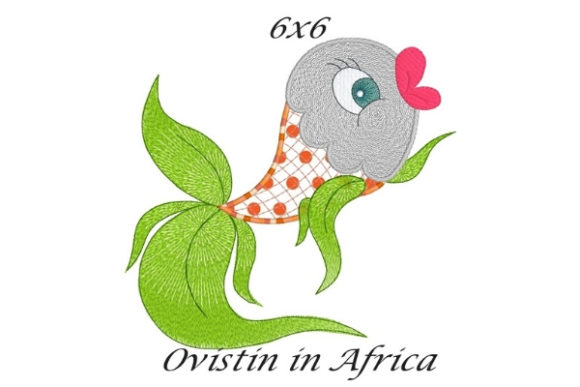
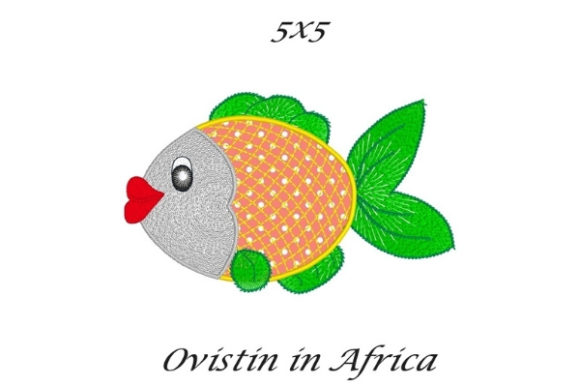
The first impression of this design is undeniably bold and playful. The title suggests a personality that is far from generic. In a sea of standard nautical themes, a "sassy" fish implies character, movement, and a touch of humor. For a craft fair product, this is gold. Customers walking the aisles are looking for items that speak to them, and a design with attitude often converts browsers into buyers faster than a passive image. The green color palette offers a fresh alternative to the typical navy or red marine themes, making it feel modern and vibrant rather than rustic or traditional.
Visual Impact on Market Products
When I visualize the Green Sassy Applique Fish on my display table, several applications immediately stand out. The most obvious candidate is a sturdy canvas tote bag design. A large-scale version of this fish on a natural or white bag creates an instant focal point. It transforms a simple utility item into a statement piece perfect for beach trips or grocery runs. The applique technique adds texture and dimension, which is crucial for tactile engagement at a booth. Customers love to touch embroidered items, and the layered fabric of an applique invites that interaction.
Beyond bags, this design shines as apron embroidery. Kitchenware is a massive category for handmade sellers, and a sassy fish adds a whimsical touch to cooking gear. It works equally well on tea towel embroidery, provided the stitch count and density are appropriate for thinner fabrics. For smaller price-point items, converting this into an embroidered patch is a brilliant strategy. Patches are low-cost, high-margin small shop product staples that allow customers to customize their own jackets or jeans. A printable mockup showing the fish on a denim jacket could drive significant online interest for an Etsy seller.
I also see potential for home decor, specifically pillow covers. A centered fish design on a square cushion can anchor a nautical-themed living room or a child's nursery. The key here is scale. As a large focal design, the details of the "sass"—perhaps a tilted eye or a specific mouth shape—will be clearly visible. However, if shrunk too small for a pocket accent on a cap, those defining characteristics might get lost.
Production Practicality and Batch Selling
From a production standpoint, efficiency is everything when preparing for a market. Applique designs are generally excellent for batch production because the bulk of the design is covered by fabric rather than thousands of individual stitches. This reduces machine run time and thread consumption. However, the process requires precision. You must cut the fabric shapes accurately before the final tack-down stitch. For a commercial embroidery setup, this means having a system for cutting multiple fish shapes at once to keep the workflow moving.
The stitch density is a critical factor to review before loading the embroidery file onto your machine. Dense stitching can make a design look premium and durable, but on textured items like terry cloth bathroom towels, too much density can cause puckering or obscure the fabric's loop structure. Since the product description mentions bathroom towels, it is vital to test the design on actual terry fabric. If the density is too high, the towel may become stiff or uncomfortable. Conversely, if the density is too low, the underlying fabric might show through, ruining the crisp green look.
Another consideration is the hoop size. While the specific dimensions are not listed in the brief description, a design intended for tote bags and pillows likely requires a medium to large hoop. Attempting to force a large applique into a small hoop can lead to registration errors where the fabric layers shift. Always confirm the required hoop size in the file details before purchasing or starting production.
Navigating Fabric and Texture Challenges
One of the biggest hurdles in selling embroidered goods is managing customer expectations regarding fabric texture. The Green Sassy Applique Fish will look different on a smooth cotton poplin versus a coarse linen or a stretchy knit. On dark fabrics, the green applique fabric must be opaque enough to prevent the background color from bleeding through, or you may need to add a layer of white underlay. Thread contrast is also essential; ensure the satin stitches outlining the applique pop against the green fabric shape. A matching green thread might look subtle, but a contrasting color could enhance the "sassy" vibe.
Curved surfaces, such as caps, present another challenge. Applique designs can be tricky on structured hats because the fabric layers add bulk. If you plan to offer this as a cap customization, verify that the design is optimized for curved hooping or consider using a thinner applique fabric to reduce stiffness. Tiny details within the design, such as small lettering or intricate facial features, may lose clarity if the design is resized significantly. Always inspect the smallest elements at your intended output size.
Maximizing Value and Brand Consistency
Incorporating the Green Sassy Applique Fish into your inventory can significantly boost your booth's visual appeal. It adds a splash of color and personality that breaks up rows of monochromatic items. For brand consistency, if your shop focuses on fun, quirky, or nature-inspired goods, this design fits perfectly. It signals to buyers that your finished product is not mass-produced but carefully crafted with character.
To maximize buyer engagement, create a dedicated display section featuring this design across various items. Show the tote bag, the towel, and the patch together. This cross-merchandising technique helps customers visualize the versatility of the design. Furthermore, high-quality photos of the stitched result are essential for your online listings. Use the design assets provided with the file to create professional printable mockups for your website, but always prioritize real photos of the stitched item to build trust.
Designer Notes for Success
Before committing to a full production run, adhere to these practical steps:
- Test on scrap fabric: Never skip the stitch-out. Test the design on the exact same material you intend to sell.
- Check stabilizer compatibility: Applique often requires a cut-away stabilizer for durability, especially on items that will be washed frequently like towels and aprons.
- Review spacing: Ensure there is enough space between the applique edge and the satin stitch border to prevent fraying.
- Confirm licensing: Verify the terms of the digital embroidery file. Ensure you have the right to sell finished products commercially, as some licenses are for personal use only.
- Compare fabric colors: Experiment with different shades of green fabric for the applique to see which offers the best contrast and vibrancy.
The Green Sassy Applique Fish has strong potential as a standout item for craft fairs and online shops. Its blend of nautical theme and playful personality makes it versatile for everything from bathroom decor to fashion accessories. By paying attention to production details like density, fabric choice, and sizing, you can turn this single design into a profitable line of handmade products that resonate with customers looking for something unique and cheerful.