Happy Easter Redwork: A Designer's Review for Holiday Collections
As an embroidery designer preparing for the spring rush, my workflow shifts from general creativity to strategic product planning. The goal is simple: curate designs that not only look beautiful but sell effectively during the short window of the holiday season. This year, I am taking a close look at Happy Easter Redwork, a lineart machine embroidery design intended for seasonal use. My evaluation focuses on how this specific file translates from a digital download into tangible, revenue-generating products for Etsy sellers, craft fair vendors, and small shop owners.
First Impressions and Seasonal Mood
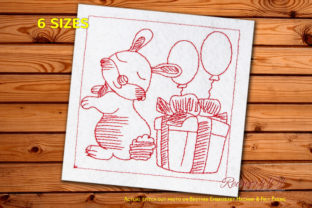
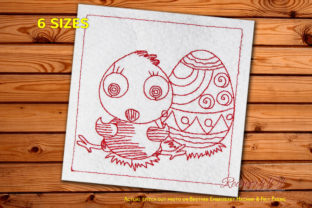
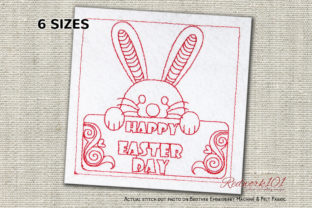
Upon loading the Happy Easter Redwork file into my digitizing software, the immediate impression is one of nostalgic charm. The redwork style, characterized by single-color outlining, evokes a vintage, rustic aesthetic that resonates deeply with current home decor trends. Unlike dense, filled designs that can feel heavy on lightweight fabrics, this lineart approach feels airy and playful. It strikes a balance between cute and elegant, making it versatile enough for both children's apparel and sophisticated kitchen linens.
The emotional tone of the design is undeniably festive without being overwhelming. It captures the spirit of renewal associated with Easter while maintaining a cozy, handmade feel. For a brand looking to project authenticity and warmth, this design serves as an excellent anchor. The simplicity of the lines suggests a premium, artisanal quality, which is crucial when competing in a saturated market of mass-produced holiday goods.
Strategic Product Applications
The true test of any digital embroidery file is its adaptability across various substrates. In my review for a potential seasonal collection, I identified several high-potential applications where Happy Easter Redwork shines:
- Sweatshirt Embroidery: The open nature of the lineart works beautifully on French terry or fleece. It avoids the stiffness often caused by heavy fill stitches, keeping the garment soft and wearable.
- Kitchen Towel Embroidery: Waffle weave or linen towels are perfect candidates. The redwork style complements the texture of these fabrics, creating a classic farmhouse look that sells well in spring.
- Tote Bag Design: Canvas bags require durable stitching. This design offers a clean graphic element that stands out against natural cotton colors, ideal for grocery runs or gift baskets.
- Pillow Covers and Home Decor: Placing this design on burlap or linen pillow covers creates an instant seasonal update for living rooms, appealing to customers who want to refresh their decor without buying new furniture.
- Embroidered Patches: By stitching on twill and cutting around the edge, this design can become an iron-on patch, adding value to denim jackets or backpacks.
For those creating handmade gifts or personalized gifts, the simplicity of the design allows for easy customization. Adding a monogram or a name below the main motif does not clutter the visual space, making it a prime choice for family matching items or baby shower presents.
Performance in Real Selling Scenarios
When considering how Happy Easter Redwork performs in a retail environment, the visual impact is key. For an Etsy seller, the clarity of the lineart translates exceptionally well into printable mockup graphics. The high contrast of the red thread against light backgrounds creates eye-catching thumbnails that stop the scroll on social media feeds.
In a craft fair setting, this design supports the creation of cohesive product bundles. Imagine a "Spring Hosting Kit" featuring a kitchen towel, an apron, and a pot holder, all bearing the same holiday embroidery motif. This consistency builds brand recognition and encourages higher average order values. Furthermore, the speed of stitching inherent in redwork designs means faster production times, allowing small business owners to fulfill orders quickly during the peak weeks leading up to the holiday.
Technical Considerations and Fabric Compatibility
While the design is robust, there are specific scenarios where caution is required. As a professional, I always advise testing before committing to a large batch. Here are critical factors to consider:
- Fabric Texture and Color: Redwork relies on contrast. On dark fabrics, ensure you are using a bright, opaque red thread. On textured fabrics like thick towels, verify that the stitch path bridges the gaps in the weave cleanly.
- Stitch Density: Although lineart is generally low density, check the underlay settings. On stretchy garments like sweatshirts, proper stabilizer selection is non-negotiable to prevent distortion after washing.
- Small Hoop Sizes: If you plan to use this on baby bibs or small ornaments, confirm the dimensions fit your smallest hoop. Do not assume the design scales down infinitely without losing detail.
- Layered Details: If the design includes overlapping lines, test on scrap fabric first to ensure the needle does not break threads or create bird nests, especially when using metallic or variegated thread colors.
It is also vital to consider the end-user experience. Items like kitchen towel embroidery or aprons will undergo repeated washing. Ensure the thread quality is high and the knotting is secure so the finished product remains pristine throughout the season.
Enhancing Brand Value and Customer Trust
Incorporating Happy Easter Redwork into your catalog does more than just add a product; it enhances your brand's seasonal appeal. Customers associate thoughtful, well-executed embroidery with care and quality. When a buyer sees a clean, crisp lineart design on a pillow cover or tote, it reinforces trust in your craftsmanship.
This design supports the narrative of the "limited-time drop." By marketing these items as exclusive seasonal pieces, you create urgency. The versatility of the design allows for a unified marketing campaign across Instagram, Pinterest, and your online store, using consistent thread colors and styling to build a recognizable aesthetic.
Final Designer Notes and Licensing
Before launching your collection, remember these practical steps. Always test your machine embroidery design on the exact fabric you intend to sell. What looks good on muslin might behave differently on heavy canvas. Create realistic mockups that show the texture of the fabric and the sheen of the thread to manage customer expectations.
Most importantly, review the licensing terms provided with the Happy Easter Lineart Embroidery Designs. Since this file comes in multiple formats for various machines, ensure you have the rights for commercial embroidery if you plan to sell physical goods. The description notes compatibility with multiple machines, but specific details on stitch count, exact hoop size requirements, and license limitations should be verified directly from the source before production begins.
By treating Happy Easter Redwork not just as a file, but as a component of a broader product strategy, you can maximize its potential. Whether adorning a cozy sweatshirt or a festive table runner, this design offers the blend of charm and practicality needed to succeed in the competitive landscape of seasonal embroidery.