Husky Embroidery Review: A Designer's Take on Real-World Use
When I first pulled up the Husky file on my screen, my immediate reaction wasn't just about cuteness; it was about viability. As someone who spends hours digitizing and stitching for clients, I look past the preview image to ask: will this hold up on a textured sweatshirt? Is the stitch density manageable on a tote bag? This machine embroidery design promises character, but in the world of Dogs themed Embroidery, the difference between a charming accent and a puckered mess often comes down to the details hidden in the code.
First Impressions and Visual Personality
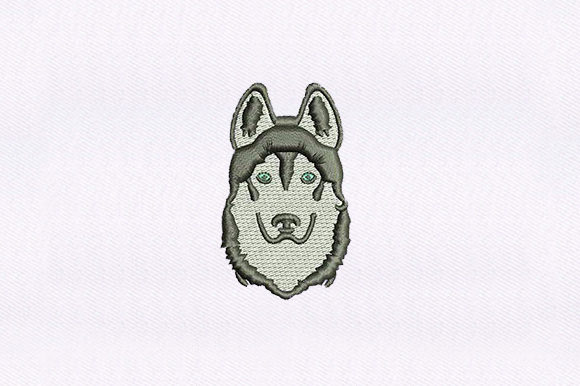
The Husky design carries a distinct mood. It feels spirited yet approachable, capturing that specific alertness associated with the breed without becoming overly aggressive or cartoonish. The layout suggests a balanced composition, likely relying on a mix of satin stitch for the defining outlines and fill stitch to create volume in the fur areas. For a designer, this combination is crucial. Satin provides crisp edges that define the shape, while fill stitches add the necessary weight to make the design feel substantial on fabric.
Visually, the personality of the piece leans towards the "adorable" spectrum mentioned in the product description, making it an excellent candidate for projects requiring an emotional connection. Whether it is for a personalized gift or a small shop product, the design needs to communicate warmth instantly. From a distance, the silhouette should be recognizable even before the viewer sees the intricate thread work up close.
Real-World Application: The Custom Tote Scenario
To truly evaluate this embroidery project, I imagined a specific real-life scenario: a custom order for a local boutique needing a run of canvas tote bag design items. Canvas is unforgiving; it has a coarse fabric texture that can eat up fine details. If the Husky design relies too heavily on tiny running stitch elements or extremely dense fills, it could cause the fabric to pucker or the needle to break.
In this context, Husky shines if the digitizer has accounted for fabric pull. On a sturdy tote, the design adds a premium feel that elevates a basic bag into a handmade product worth a higher price point. Customers walking into a craft fair are drawn to animal motifs, and a well-executed dog design often stops them in their tracks. The key here is how the threads lay against the weave of the canvas. If the stitch density is optimized, the result is a clean, professional finished product that looks like it belongs in a high-end catalog rather than a discount bin.
Versatility Across Apparel and Home Decor
Beyond totes, this design offers significant versatility for custom apparel. Imagine this stitched onto the left chest of a fleece jacket or the back of a denim vest. The Husky motif works exceptionally well for sweatshirt embroidery, where the loft of the fabric complements the dimensional quality of the stitches. For baby embroidery projects, such as a onesie or a nursery blanket, the softness of the theme is a major asset. Parents love seeing their child's name paired with a beloved animal, and this design fits that holiday embroidery or birthday gift niche perfectly.
However, caution is required when moving to curved surfaces like caps or hats. The structure of a cap changes how the design sits. If the Husky file is wide, it might distort over the front panel curve. Similarly, placing it on an embroidered patch requires checking the border integrity. A patch undergoes more handling than a static pillow cover, so the perimeter stitching must be robust enough to prevent fraying after repeated washing.
Critical Considerations for Professional Results
While the potential is high, a professional reviewer must address the limitations. Not every fabric is a friend to every digital embroidery file. Here is where practical judgment comes into play:
- Fabric Choice: Avoid using this on extremely thin or stretchy fabrics without proper stabilization. A lightweight rayon blouse might not support the weight of the fill stitches, leading to distortion.
- Color Contrast: The visual impact of Husky depends heavily on thread colors. On dark fabrics, ensure the design includes enough light-colored threading or underlay to prevent the background from showing through gaps in the stitching.
- Small Details: Inspect the eyes and nose areas. These are focal points. If they are too small for your chosen hoop size or machine capability, they may turn into blobs of thread rather than expressive features.
- Washability: For items like kitchen towels or aprons that face frequent laundering, verify that the stitch connections are tight. Loose threads here can unravel quickly, ruining the brand consistency of your craft business.
Enhancing Brand Value and Customer Trust
For an Etsy seller or creative entrepreneur, the choice of design assets directly influences customer trust. A sloppy stitch job tells a buyer you don't care about quality; a crisp, well-placed Husky tells them you are a professional. This design has the potential to boost buyer engagement because animal themes are universally appealing. When used in printable mockup previews for your online store, ensure the lighting highlights the texture of the threads to give digital shoppers a realistic sense of the finished product.
Furthermore, using a cohesive theme like Dogs across your product line can help with brand recognition. If you sell a series of pet-themed items, Husky becomes a recognizable signature of your shop's style.
Final Designer Notes and Best Practices
Before committing to a large production run or listing this as a commercial embroidery item, follow these practical steps:
- Test on Scrap: Always stitch a sample on the exact fabric you intend to use. What looks good on polyester might fail on cotton twill.
- Check Stabilizer: Match your stabilizer to the fabric weight. Heavy designs often need cut-away stabilizer for longevity, especially on stretchy garments.
- Review Licensing: Since this is a purchased design, confirm the license terms. Can you sell the physical handmade product? Are there restrictions on selling the embroidery file itself? Never assume; always read the fine print to protect your business.
- Mockup Testing: Create black-and-white mockups to check contrast levels. If the design loses its definition in grayscale, it might lack sufficient contrast for certain fabric colors.
- Verify Specs: The product description mentions high quality but lacks specific technical data like exact stitch counts or compatible hoop sizes. Check the download package or contact the vendor to ensure the file fits your machine's maximum area.
In conclusion, the Husky design is a strong contender for anyone looking to add life to their textile projects. It bridges the gap between playful aesthetics and professional execution, provided the user respects the technical requirements of the medium. Whether you are decorating a pillow cover for your home or producing inventory for a boutique, this design offers the character and charm needed to make your embroidery project stand out. Just remember: the magic isn't just in the file; it's in how you execute it.