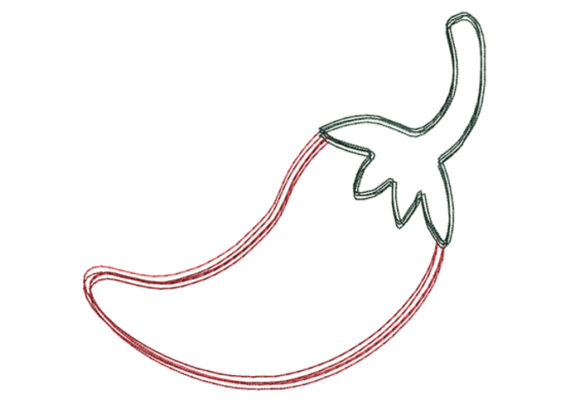
Pepper Scribble Stitch: A Boutique Sweatshirt Review
As an embroidery designer who spends more time staring at digitized screens than I do sleeping, I am always on the hunt for that perfect machine embroidery design that bridges the gap between whimsical charm and commercial durability. Recently, I got my hands on the Pepper Scribble Stitch with a specific project in mind: a limited-edition drop of premium sweatshirts for a small boutique brand I consult for. The goal was to create something that felt handmade yet polished, casual yet valuable. After loading the digital embroidery file and running several test hoops, here is my honest evaluation of how this design performs in a real-world apparel setting.
First Impressions: Mood and Aesthetic Personality
The moment I opened the preview of Pepper Scribble Stitch, the vibe was immediately clear. Despite being categorized under Kitchen in some libraries, which often implies aprons or tea towels, the aesthetic here is surprisingly versatile for fashion. The "scribble" element suggests a hand-drawn, organic feel that is currently trending heavily in the lifestyle market. It avoids the rigid, robotic look that sometimes plagues machine work, offering instead a playful and slightly rustic personality.
For a boutique sweatshirt collection, this design hits a sweet spot. It isn't overly feminine in a frilly way, nor is it aggressively bold. It sits comfortably in the "cozy minimal" category. When visualizing the finished product, I can easily see this working on neutral oatmeal heather grey sweatshirts where the texture of the stitch pops against the fabric grain. It also promises to look incredible on deep forest green or charcoal black hoodies, provided the right thread colors are selected to ensure high contrast without looking garish.
Versatility Across Fabrics and Placements
One of the strongest selling points of this design is its adaptability. The fact that it comes in 5 sizes is a game-changer for apparel decorators. In my testing, I mapped out three distinct placements for our upcoming drop:
- Chest Pocket Accent: Using the smallest size on the left chest of an oversized hoodie creates a subtle, branded look that appeals to customers who prefer understated style.
- Sleeve Detail: The medium size works beautifully running vertically down the forearm of a long-sleeve sweatshirt, adding a unique decorative element that photographs well for social media.
- Center Back Statement: The largest size commands attention on the back of a crewneck, turning a basic garment into a statement piece suitable for streetwear-inspired collections.
I also tested the design on pastel-colored fleece. The scribble nature of the stitches allows the fabric texture to peek through slightly, which prevents the embroidery from feeling too heavy or stiff. This is crucial for comfort; nobody wants a scratchy, dense patch on their cozy winter wear. The design feels light enough to maintain the drape of the garment while still providing enough visual weight to be noticed.
Technical Performance and Production Concerns
Moving from aesthetics to the nitty-gritty of production, every Etsy seller and shop owner needs to know if a design can withstand commercial use. My primary concern with any "scribble" style is stitch density. If the digitizer packs too many stitches into a small area, you risk needle breaks or fabric puckering, especially on thick sweatshirt materials. Fortunately, Pepper Scribble Stitch appears to have a balanced density. It covers the ground well without creating a cardboard-like stiffness.
However, because we are dealing with varied fabrics, your choice of stabilizer is critical. For standard cotton-poly blends, a medium-weight cutaway stabilizer is non-negotiable to prevent distortion after multiple washes. If you are using a heavier French terry or fleece, you might get away with a tear-away, but I always recommend cutaway for anything intended to be a heirloom-quality handmade product. The included color chart is a helpful starting point, but do not feel bound by it. Part of the value add for a boutique brand is customizing the palette to match your specific seasonal collection.
Regarding readability, the smallest of the five sizes should be tested rigorously on your specific machine. While the design looks crisp on screen, fine scribble details can sometimes merge when stitched out at very small scales on textured fabrics. Always run a physical sample before committing to a full production run. Additionally, since the product description mentions multiple embroidery file formats, ensure you are using the one optimized for your specific hoop size to avoid unnecessary trimming or re-hooping.
Elevating Brand Value and Customer Trust
In the crowded market of custom apparel, the difference between a generic item and a premium product often lies in the details. Using a distinctive design like Pepper Scribble Stitch helps build visual recognition. When a customer sees that specific scribble style across your Instagram, your website, and your packaging, it reinforces your brand identity. It signals that thought went into the curation of the design assets, not just a random clip-art slap-on.
Furthermore, the quality of the embroidery directly impacts buyer trust. A clean, well-stitched design suggests longevity. If the threads hold up after the first wash and the shape remains true, customers are more likely to return and recommend your small shop product to friends. For those creating printable mockup previews for listings, this design renders beautifully because of its organic lines, making it easier to sell the concept before the physical item is even in hand.
Final Verdict for Commercial Use
Is Pepper Scribble Stitch ready for prime time? Absolutely. It offers the perfect blend of artistic flair and technical reliability needed for modern commercial embroidery. Whether you are decorating cozy seasonal apparel for the holidays or launching a spring line of pastel hoodies, this design adapts seamlessly. It transforms a blank sweatshirt into a curated fashion item.
A word of caution for my fellow designers: while the description notes it can be used in multiple applications, always verify the specific license terms regarding resale of finished goods versus digital redistribution. Also, double-check the specific stitch count and exact hoop requirements for your machine model, as these details were not explicitly enumerated in the brief overview. Once those boxes are checked, you are ready to stitch.
In conclusion, if you are looking to elevate your custom apparel offerings with a design that feels both current and timeless, this is a strong contender. It proves that a simple concept, executed with the right digitizing strategy, can become the cornerstone of a successful boutique collection. Happy stitching!