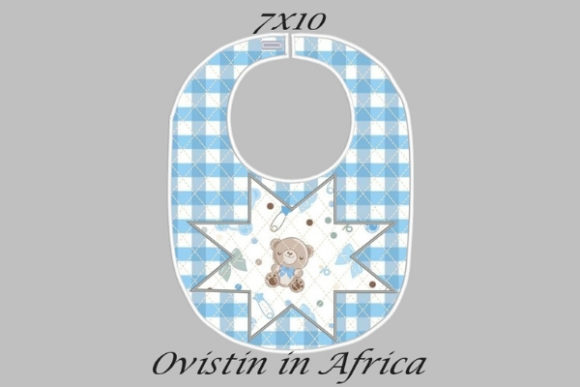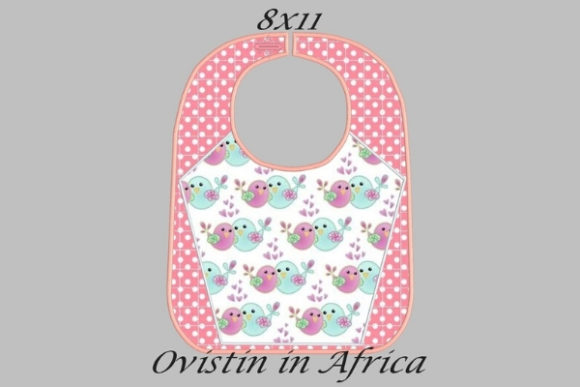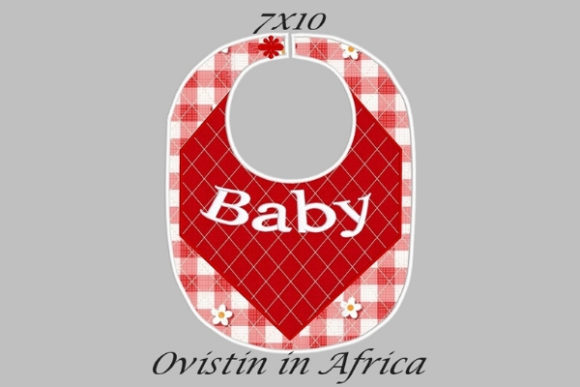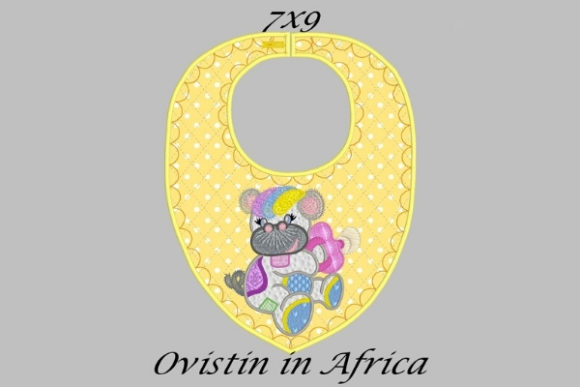
Pink Star Adorable Baby Bib Small: A Designer's Review
As an embroidery designer who has spent years digitizing and reviewing files for commercial use, I approach every new machine embroidery design with a critical eye toward its potential beyond the hoop. While the Pink Star Adorable Baby Bib Small is categorized under Nursery and explicitly described as a finished product for newborns to six-month-olds, my focus here is on its viability as a versatile asset for small business merchandise. The description highlights a "double applique" construction with a "batting inlay" and "towel backing," which immediately signals a high level of texture and dimensionality. For boutique owners, Etsy sellers, and apparel decorators, these physical characteristics translate directly into how the design might perform when adapted as an embroidered patch, a chest logo accent, or a branded detail on custom apparel.
Visual Personality and First Impressions
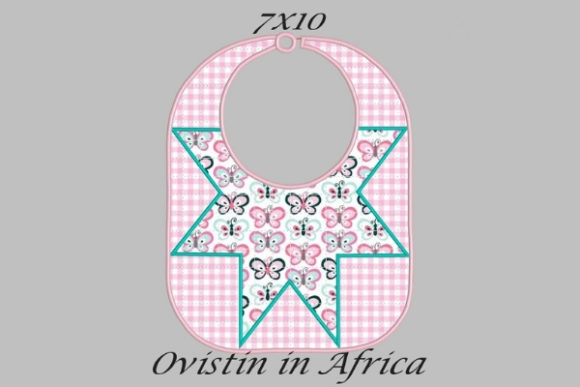
The first impression of the Pink Star Adorable Baby Bib Small is undeniably playful, soft, and handmade. The inclusion of a star motif combined with the descriptor "adorable" suggests a friendly and approachable brand identity. In a commercial context, this visual personality is perfect for businesses that want to project warmth and care—think local bakeries, florists, pet brands, or creative studios targeting young families. The "double applique" technique mentioned in the product details implies layers of fabric, which adds a premium, tactile quality that flat stitching often lacks. This depth can elevate a simple uniform apron or a tote bag from a standard promotional item to a cherished piece of small business merch. However, designers must recognize that this "cute" aesthetic requires careful placement; it may not suit corporate or industrial environments but shines in lifestyle and consumer-facing roles.
Adapting the Design for Commercial Applications
While the original intent is a baby bib, the core elements of this design hold significant promise for broader commercial embroidery projects. Imagine a boutique coffee shop using a simplified version of this star motif as a sleeve detail on barista shirts or as a small chest logo on customer merchandise. The "towel backing" described in the original product hints at a texture that could be mimicked using specific thread techniques or fabric choices when creating custom apparel. For a handmade product line, this design could serve as the centerpiece of an embroidered patch sewn onto denim jackets or canvas tote bags. The layering inherent in double applique creates a shadow effect that adds visual interest without needing complex shading, making it a strong candidate for cap embroidery where dimension helps the design pop against curved surfaces.
Furthermore, for event merch or customer gifts, the softness of the design fosters an emotional connection. A real estate agent specializing in family homes or a pediatric clinic could utilize this motif on welcome kits. The key is to treat the Pink Star Adorable Baby Bib Small not just as a baby item, but as a library of design assets that can be scaled and modified. Whether used as an apron embroidery for a children's cooking class or a tote bag design for a baby shower favor, the underlying structure supports various applications if the scale is managed correctly.
Technical Considerations for Business Use
Transitioning a design intended for a soft baby bib to other substrates requires rigorous technical evaluation. The description notes a "batting inlay," which adds bulk. When adapting this for a finished product like a structured cap or a thin work shirt, that bulk can become a liability. High stitch density associated with applique and batting can cause puckering on lightweight fabrics or distort the shape of a cap front. Designers must assess whether the original file allows for the removal of the batting layer if the target fabric cannot support it. Additionally, the "double applique" means multiple stop points for fabric changes; in a high-volume production run, this increases labor time and the potential for human error.
Placement is another critical factor. On curved surfaces like caps or rounded tote bags, large applique sections may not lay flat, leading to peeling edges over time. For items that require frequent washing, such as staff uniforms or kitchen aprons, the integrity of the applique edges must be secure. If the original design relies on a specific hoop size to maintain tension for the towel backing, replicating that on a different machine or fabric type demands testing. It is crucial to verify if the digital embroidery file provided includes separate layers or if it is a locked composite, as this affects your ability to modify the design for different use cases.
Impact on Brand Identity and Customer Trust
Incorporating a design like the Pink Star Adorable Baby Bib Small into your brand ecosystem can significantly enhance perceived value. The handmade look of applique conveys effort and attention to detail, which builds customer trust. When a client receives a product with a textured, multi-layered logo, they perceive the brand as premium and established. This visual consistency across different touchpoints—from a printable mockup shown online to the actual embroidered patch on a product label—reinforces brand recognition. However, consistency is key; if the design looks sloppy due to poor fabric choice or incorrect stabilizer use, it can damage professionalism. The "pink star" element acts as a memorable visual hook, aiding in recall when customers see similar motifs in your marketing materials.
Practical Notes for the Embroidery Professional
Before committing to a production run using this design, several practical steps are essential. First, test the design in black and white or grayscale to ensure the contrast between the applique layers and the background fabric is sufficient; color should not be the only thing defining the shape. Second, rigorously check how the design performs at a smaller scale, such as a 2-inch patch, to ensure the "double applique" details do not merge into a solid blob. Review the thread colors specified in the file against your actual inventory to ensure an exact match for brand consistency.
Always inspect the spacing between the star points and the applique edges, especially when working with textured fabrics like towels or heavy canvas. Confirm the required hoop size matches your machine's capabilities, and never skip the step of using the proper stabilizer; for applique, a cut-away stabilizer is often necessary to support the weight of the fabric layers. Create a physical mockup for client approval before finalizing the order, showing them how the design looks on the specific garment they intend to use. Finally, and most importantly, compare this design beside your other design assets to ensure it fits your visual language, and strictly confirm the commercial licensing terms. Since the product description focuses on the physical bib, you must verify if the accompanying embroidery file (if available separately) permits use on goods for resale, as rights for a finished nursery item do not automatically grant rights to reproduce the design on other merchandise.
By treating the Pink Star Adorable Baby Bib Small as a flexible component of a larger branding strategy rather than a single-use item, creative professionals can unlock its full potential. With careful attention to fabric texture, stitch density, and application context, this charming design can become a staple in a diverse portfolio of custom apparel and branded goods.