Review: The Queen Lunaria Orchid for Personalized Gifts
As an embroidery designer who spends more time at the machine than away from it, I am always on the lookout for designs that bridge the gap between technical precision and emotional resonance. When I first loaded the Queen Lunaria Orchid into my software, I wasn't just looking at lines of code; I was visualizing the finished product in a customer's hands. In the world of Sewing and custom creation, the difference between a good item and a cherished heirloom often comes down to the design choice. This review explores how this specific motif performs when translated from a digital embroidery file to a tangible, handmade product.
First Impressions: Elegance Meets Nature
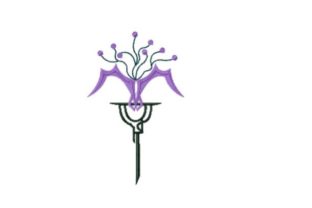
The moment you preview the Queen Lunaria Orchid, the mood is unmistakable. It strikes a perfect balance between classic botanical illustration and modern minimalism. Unlike some overly busy floral patterns that can look muddy when stitched out, this design breathes. The lines are clean, suggesting an elegant and romantic aesthetic without feeling dated. For a small shop product line, this versatility is gold. It feels sweet enough for a nursery yet sophisticated enough for a wedding keepsake.
The charm lies in its detail level. It is intricate enough to show off the capability of your machine but not so dense that it risks puckering delicate fabrics. When I imagine this as a personalized gift, I see it appealing to customers who value subtlety. It is not a shout; it is a whisper of luxury. Whether you are an Etsy seller curating a spring collection or a crafter making items for a local craft fair, the emotional appeal here is strong. It speaks of growth, beauty, and care—themes that resonate deeply with buyers looking for meaningful items.
Versatility Across Product Categories
One of the strongest assets of the Queen Lunaria Orchid is its adaptability across various substrates. In my testing phase, I visualized this design on several key items that drive sales in the custom market:
- Baby Embroidery: The soft curves of the orchid make it ideal for baby blankets and onesies. It avoids sharp, aggressive angles, fitting perfectly into a gentle nursery theme.
- Wedding Gift Ideas: Imagine this monogrammed with a couple's initials on a ring bearer pillow or a bridal hanky. The floral nature adds a romantic touch that photographs beautifully.
- Embroidered Towel Sets: For kitchen or bath linens, this design adds a spa-like quality. It elevates a simple towel into a luxury item.
- Pillow Cover Accents: On home decor, such as throw pillows, the design acts as a focal point that ties a room together without overwhelming the space.
- Blanket Embroidery: Whether on fleece or quilted cotton, the orchid provides a stunning centerpiece for a custom throw.
- Custom Tote Bags and Aprons: For the practical crafter, this looks exceptional on canvas or linen, turning everyday carry-alls into stylish accessories.
For wedding gift designers and baby product creators, the ability to use one high-quality file across these diverse categories simplifies inventory management while expanding product offerings.
Technical Considerations and Fabric Challenges
While the Queen Lunaria Orchid is a robust design, responsible production requires attention to detail. Not every fabric behaves the same way under the needle. Here is where experience matters. If you are stitching on textured fabric, such as a waffle-weave towel or a heavy linen, you must consider how the stitch density interacts with the weave. Dense areas might sink into deep textures, losing definition.
Similarly, when working with stretchy baby clothes, stability is paramount. You cannot simply hoop and go. Using the correct stabilizer is non-negotiable to prevent distortion after washing. For dark fabric, the contrast of your thread colors becomes critical. A light thread on a navy background can look striking, but you must ensure the underlay is sufficient to prevent the dark fabric from peeking through the satin stitches.
Curved surfaces, like the corner of a pillow cover or the pocket of an apron, also require careful hooping. Small lettering, if you choose to add names alongside the orchid, should be tested rigorously. Fine details can sometimes fill in if the tension is too tight or if the fabric texture is too loose. Always check small details after stitching a test run to ensure the delicate petals of the lunaria remain distinct.
Enhancing Perceived Value and Customer Trust
In the competitive landscape of commercial embroidery, perceived value is everything. The Queen Lunaria Orchid contributes significantly to this metric. A well-executed version of this design signals to the buyer that time, skill, and quality materials were used. It fosters an emotional connection; the recipient feels that the item was made specifically for them, not mass-produced in a factory.
This perception directly impacts buyer engagement. When you showcase a finished product featuring this orchid in your product photography, the image itself tells a story of craftsmanship. High-resolution photos of the stitch work on a soft blanket or a crisp tote bag can convert browsers into buyers. For digital product sellers offering this as a file, providing a printable mockup or high-quality photos of the stitched result helps potential buyers visualize the end game, increasing trust in your shop.
Practical Notes for the Professional Maker
Before you list this as a custom embroidery option or begin fulfilling orders, there are essential steps to take to ensure professional results. Do not assume the settings that worked for one project will work for another.
- Test on Scrap Fabric: Always run a stitch-out on the exact material you intend to sell. This reveals issues with tension or registration before you ruin good stock.
- Check Thread Color Contrast: Ensure your chosen palette highlights the shape of the orchid. Sometimes a tonal look works, but often a slight contrast defines the petals better.
- Confirm Hoop Size: Verify that the design fits within your available hoop size limits, especially if you are working with smaller items like cuffs or collars.
- Review Stitch Density: If the design feels too stiff on lightweight fabric, you may need to adjust the density settings in your editing software.
- Use Proper Stabilizer: Match the stabilizer weight to the fabric weight. Cut-away is often best for garments that will be washed frequently, while tear-away suits stable home decor items.
- Compare Light and Dark Mockups: Visualize the design on both ends of the color spectrum to ensure it remains legible and attractive in all scenarios.
- Verify Licensing: Crucially, confirm commercial licensing terms before selling finished products. The description notes this is an original quality embroidery, but you must ensure your specific purchase allows for resale of the physical handmade product.
The Queen Lunaria Orchid stands out as a versatile, emotionally resonant choice for today's maker. It respects the intelligence of the embroiderer and the taste of the customer. By approaching it with the right technical preparation and an eye for detail, you can transform this machine embroidery design into a cornerstone of your product line, creating items that people don't just buy, but treasure.