Honey Bee Embroidery Review for Small Business Merch
As an embroidery designer who has spent years digitizing and reviewing files for commercial use, I approach every new machine embroidery design with a critical eye. It is not just about whether a pattern looks cute on a screen; it is about how that digital embroidery file translates into a tangible asset for a brand. Today, I am reviewing the Honey Bee design, a file categorized under Bugs, to determine its viability for small business merchandise, branded patches, and professional apparel.
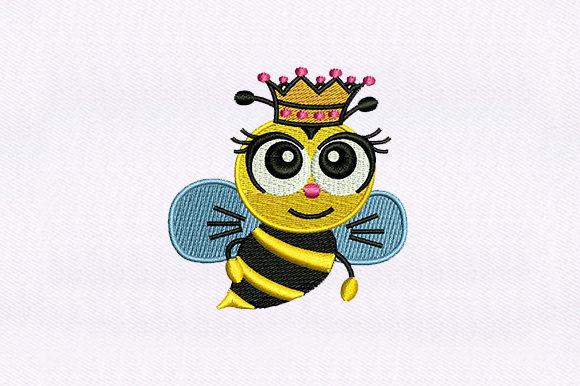
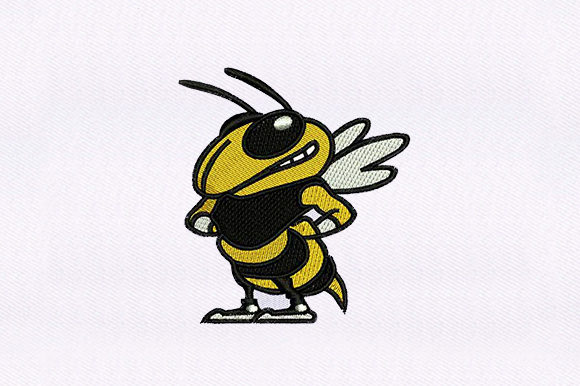
The first impression of the Honey Bee design is one of approachable charm. Based on the product description, which highlights its suitability for "any fabric or clothes," this piece leans heavily into a friendly and playful aesthetic. For a bakery, a florist, a pet brand, or a local creative studio, this visual personality is gold. It screams "handmade" and "community-focused" without sacrificing professionalism. However, for high-end corporate uniforms or minimalist luxury brands, the designer must evaluate if this specific style aligns with their existing brand identity. The design feels rustic yet modern enough to fit into the current trend of artisanal branding seen on Etsy and in boutique shops.
Real-World Application for Commercial Embroidery
When considering where to deploy the Honey Bee motif, the possibilities for small business merch are extensive. Imagine a local café wanting to upgrade their staff attire. Stitching this bee onto the chest pocket of a work shirt or as a sleeve detail on an apron adds a layer of cohesion to the team's look. Apron embroidery specifically benefits from designs that are bold enough to be seen from a distance but detailed enough to show quality up close. If the stitch density of the file is balanced, this design could serve as a excellent mark of quality on a barista's uniform.
Beyond uniforms, the potential for custom apparel and accessories is significant. A tote bag featuring the Honey Bee makes for a perfect customer gift or a retail item in a gift shop. Tote bags often use heavier canvas, so the design must have enough substance to stand out against the fabric texture. Similarly, for cap embroidery, this design could work well on the front panel, provided the curvature of the hat does not distort the bee's wings or body. For businesses selling physical goods, adding an embroidered patch with this design to product packaging can elevate the unboxing experience, turning a simple transaction into a memorable brand interaction.
Critical Considerations for Production Quality
While the Honey Bee design promises versatility, there are technical hurdles every embroiderer must clear before running a production batch. The description states it works on "any fabric," but experienced designers know that context is everything. When working with textured fabrics like Terry cloth or heavy denim, fine details in the bee's wings might get lost. It is crucial to test the design on the actual material intended for the finished product.
Size matters immensely. If you intend to use this as a small label on a garment or a tiny accent on a child's item, you must verify the minimum viable size. Complex outlines and small lettering (if included in the design variations) can become a muddy mess if scaled down too far. Furthermore, dark uniforms present a challenge; without proper underlay or contrasting thread colors, a yellow and black bee might not pop sufficiently against navy or black backgrounds. Always request a printable mockup or stitch out a sample on the specific garment color to ensure visibility.
Another vital factor is durability. Items like aprons and work shirts undergo frequent washing. A design with high stitch density might cause puckering over time if the correct stabilizer is not used. For items that will see heavy wear, I recommend using a cut-away stabilizer rather than tear-away to maintain the integrity of the Honey Bee shape after dozens of wash cycles.
Impact on Brand Identity and Customer Trust
In the world of handmade products and local commerce, consistency builds trust. Using a cohesive set of design assets like the Honey Bee across various touchpoints—from staff uniforms to hang tags—creates a professional image that customers subconsciously associate with reliability. A well-executed embroidery job signals that a business cares about details. Conversely, a poorly stitched logo can detract from perceived value.
For Etsy sellers and craft business owners, the "handmade" appeal of machine embroidery is a major selling point. The Honey Bee design, with its organic subject matter, reinforces the narrative of natural, careful creation. This visual consistency helps in building buyer engagement. When a customer sees the same high-quality bee emblem on their tote bag, their receipt holder, and the shop owner's apron, it cements the brand in their memory. This recognition is invaluable for small businesses competing in saturated markets.
Professional Designer Notes and Best Practices
Before committing to a large run of commercial embroidery using the Honey Bee file, I advise following a strict checklist. First, always test the design in black and white or grayscale. This reveals whether the contrast relies too heavily on color or if the form holds up on its own. Second, confirm the hoop size requirements. While the description suggests flexibility, you must ensure your machine's hoop can accommodate the design without needing excessive re-hooping, which can lead to alignment issues.
It is also essential to review the thread colors specified in the file. Are they standard industry colors, or will you need to custom dye threads? Sticking to standard palettes simplifies reordering and ensures color matching across different batches of merchandise. Additionally, compare the Honey Bee beside your other design assets. Does the line weight match your other logos? Is the style consistent?
Finally, and perhaps most importantly, verify the licensing terms. The product description mentions it is a "high-quality embroidery" for your next project, but it does not explicitly detail commercial usage rights. Before selling items featuring this design or using it for client work, you must confirm that the license allows for commercial application. Never assume a file is free for resale or mass production without written confirmation.
In conclusion, the Honey Bee design holds strong potential for small businesses looking to add a touch of nature-inspired warmth to their merchandise. Whether used for tote bag design, staff uniforms, or promotional patches, its success lies in careful execution. By paying attention to fabric choice, stabilization, and sizing, embroidery professionals can leverage this file to create stunning, durable, and brand-enhancing products that resonate with customers.