Queen Honey Bee: A Designer's Review for Real Projects
As an embroidery designer who spends countless hours digitizing and stitching for clients, I am always cautious about which digital embroidery file assets I integrate into my workflow. When I first encountered the Queen Honey Bee design on Creative Fabrica, I didn't just look at the thumbnail; I evaluated it through the lens of a small business owner who needs reliable, high-quality graphics for commercial use. This review breaks down how this specific machine embroidery design performs when moved from the screen to actual fabric, helping you decide if it fits your next handmade product line.
First Impressions and Visual Mood
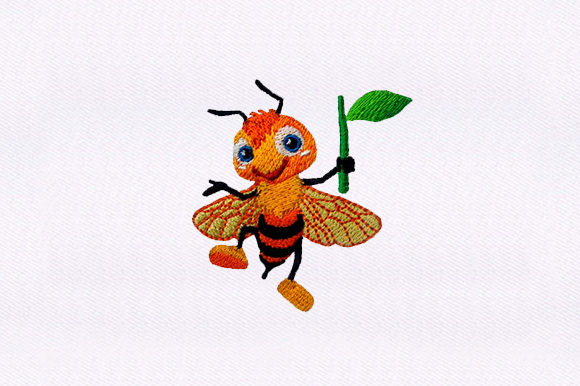
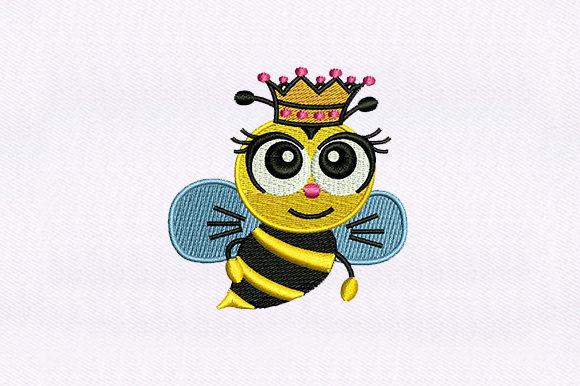
The initial visual impact of the Queen Honey Bee is one of whimsical charm mixed with a touch of regal detail, fitting perfectly within the Bugs category while elevating it beyond simple cartoon imagery. The design carries a "garden royalty" aesthetic that feels both playful and sophisticated. For designers, the appeal lies in its versatility; it is adorable enough for a nursery but stylized enough for adult apparel. The line work suggests a careful balance between satin stitch borders and solid fill stitch areas, which is crucial for achieving a professional finish without excessive thread buildup. The decorative appeal is strong, making it an instant candidate for projects that require a focal point rather than just an all-over pattern.
Performance in Real-World Applications
When considering Queen Honey Bee for real customer orders, the potential applications are vast. I immediately envisioned this design working beautifully on a canvas tote bag design, where the sturdy fabric can support the stitch density without distortion. For those running an Etsy shop or selling at craft fairs, this motif is ideal for spring and summer collections. Imagine stitching this onto a linen apron for a gardening enthusiast or a cozy sweatshirt for a beekeeper. The custom apparel market loves nature-themed motifs, and this design hits that sweet spot.
Furthermore, the design translates well to smaller items like an embroidered patch. If you are creating merchandise for a boutique, turning this into an iron-on or sew-on patch adds significant value. It also works wonderfully on home decor items such as pillow covers or kitchen towels, adding a pop of personality to neutral spaces. For digital product sellers, the clear lines of the design make it excellent for creating printable mockup images to showcase your finished goods on social media before you even stitch the first thread.
Navigating Technical Challenges
While the design is promising, practical execution requires attention to detail. One must consider the hoop size required. If the design is intricate, ensure your machine's hoop can accommodate the full width without needing to re-hoop, which can lead to registration errors. When working with textured fabrics like waffle weave towels or thick terry cloth, the stitch density becomes a critical factor. High-density areas might sink into plush fabrics, so using a robust stabilizer is non-negotiable. I recommend testing on scrap fabric of the same weight and texture as your final product.
For stretchy materials, such as those used in baby blankets or fitted caps, the stability of the running stitch underlays is key. Curved surfaces, like the front of a cap, can be tricky; if the design has large fill areas, it may pucker if not stabilized correctly. Additionally, if you plan to stitch this on dark fabric, pay close attention to the thread colors specified in the file. You may need to manually adjust the color sequence in your embroidery software to ensure the bee stands out against a navy or black background, perhaps adding a light underlay to prevent the fabric color from showing through the stitches.
Enhancing Product Value and Brand Trust
In the world of handmade goods, presentation is everything. Using a polished design like Queen Honey Bee directly impacts buyer trust. A clean, well-stitched motif signals professionalism, encouraging customers to perceive your finished product as a premium item rather than a hobbyist experiment. This consistency in quality helps build brand identity. If you specialize in nature-inspired goods, adding this design to your lineup reinforces your niche expertise.
The "giftability" factor is also high. Items featuring this design feel thoughtful and personalized, making them perfect for personalized gift occasions like baby showers, housewarmings, or teacher appreciation weeks. High-quality embroidery engages customers visually, often leading to better product photography results. The contrast between the thread sheen and the fabric texture creates depth in photos, which can drive higher engagement on platforms like Instagram and Pinterest.
Essential Pre-Production Checks
Before committing to a production run, there are several steps every responsible designer should take. First, always stitch a test sample. Check how the small details, such as the bee's wings or crown elements, render after washing. Does the thread fray? Do the colors bleed? Second, verify the licensing terms on the Creative Fabrica embroidery product page. While many designs allow for commercial use, it is vital to confirm if there are limits on the number of physical items you can sell or if attribution is required.
Since specific technical data like exact stitch count or compatible file formats (PES, DST, JEF, etc.) were not explicitly detailed in the brief description, you must download the preview or check the file specifications provided by the creator before purchasing. Ensure the formats match your specific machine model. Finally, compare how the design looks on both light and dark fabric mockups. Sometimes a design optimized for white cotton loses its definition on denim or canvas without slight modifications to the pull compensation or underlay settings.
In conclusion, the Queen Honey Bee offers a charming and versatile option for designers looking to expand their design assets. With proper preparation regarding stabilizers, fabric choices, and license verification, it has the potential to become a staple in your commercial embroidery catalog. Whether you are decorating a simple tote or creating a high-end nursery set, this design provides a solid foundation for creative entrepreneurship.