Mist of Egypt Flower: A Designer's Review for Branding
As an embroidery designer who has spent years digitizing and reviewing files for commercial application, I approach every new machine embroidery design with a critical eye. It is not enough for a file to look pretty on a screen; it must perform under the needle, withstand washing, and elevate a brand's identity. Today, I am reviewing the Mist of Egypt Flower, a digital asset that promises to be an original quality addition to your sewing projects. For small business owners, boutique operators, and apparel decorators, the question is simple: does this design translate from a digital concept to a tangible business asset?
First Impressions and Visual Personality
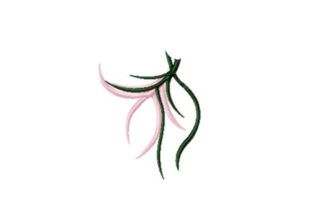
The title Mist of Egypt Flower immediately evokes a sense of mystery, elegance, and perhaps a touch of rustic charm. Based on the product description, which highlights its suitability for "any fabric or clothes," the design appears versatile. In the world of brand identity, the visual personality of your logo or accent piece dictates how customers perceive your value. This design feels less like a corporate block letter and more like a handmade signature. It suggests a brand that cares about detail, tradition, and aesthetic beauty.
For a florist, a bakery, or a creative studio, this floral motif could serve as a perfect bridge between a professional image and a welcoming, artisanal vibe. Unlike bold, geometric logos used by tech startups, a floral element like the Mist of Egypt Flower softens the brand presence. It tells the customer that there is a human hand behind the product, which is crucial for Etsy sellers and creators of handmade products. The "mist" aspect implies subtle shading or delicate thread work, which can add a premium feel to the finished product if executed correctly.
Real-World Business Applications
When evaluating a design for small business merch, I always map out specific use cases. The Mist of Egypt Flower shines in scenarios where texture and tactility matter. Here is how I envision this design performing in a commercial setting:
- Embroidered Patches: This is likely the strongest application. Creating a woven or merrow-edge patch with this design allows businesses to sell add-ons or include them in shipping packages as a free gift. A high-quality patch increases perceived value.
- Staff Uniforms and Aprons: For a café or boutique, placing this flower on the chest pocket of a work shirt or the corner of an apron embroidery project creates a cohesive team look without being overly aggressive. It acts as a subtle badge of quality.
- Cap Embroidery: Floral designs on caps require careful digitizing to handle the curve of the front panel. If the Mist of Egypt Flower has appropriate pull compensation, it can turn a standard baseball cap into a fashionable branded item.
- Tote Bag Design: Canvas totes are staples for markets and events. A large-scale version of this flower on a tote bag serves as walking advertising, provided the stitch count is manageable for the fabric weight.
- Product Packaging Accents: Small versions of the design can be stitched onto fabric tags attached to clothing or home goods, reinforcing the brand identity at the point of unboxing.
Technical Considerations for Production
While the aesthetic potential is high, a professional review must address the technical realities of commercial embroidery. The product description notes that the design will look great on any fabric, but experienced designers know that fabric choice is critical. Here are the areas where you must exercise caution when using the Mist of Egypt Flower:
Stitch Density and Fabric Texture: Floral designs often rely on satin stitches for petals and fill stitches for leaves. If the stitch density is too high, the design may become stiff or cause the fabric to pucker, especially on lightweight materials like poly-cotton blends used in uniforms. Conversely, on textured fabrics like towels or rough canvas, fine details might get lost. Always test the design on the exact material you intend to use.
Small Patch Sizes: If you plan to shrink this design for a small label or a tiny pocket logo, verify that the intricate details do not merge. Tiny lettering or thin outlines can disappear if the design is scaled down beyond its intended limits. The "mist" effect mentioned in the title might rely on subtle color blending; ensure your machine and thread quality can reproduce these nuances at smaller scales.
Thread Colors and Contrast: The success of this design on dark uniforms depends entirely on thread colors. A light, misty flower needs high-contrast thread to pop against navy or black backgrounds. If the design relies on tonal variations (e.g., light green on dark green), it may look muddy from a distance. Review the color chart included with the digital embroidery file and consider creating a custom colorway that matches your specific brand palette.
Impact on Brand Trust and Recognition
In a saturated market, consistency builds trust. Using a distinct element like the Mist of Egypt Flower across various touchpoints—from staff apparel to customer gifts—creates visual consistency. When a customer sees the same high-quality embroidery on your website's printable mockup and then receives a physical product with that same crisp stitching, it validates your professionalism.
Furthermore, embroidery implies durability. Unlike a heat transfer that might crack or fade, a well-stitched floral design suggests longevity. This subconsciously signals to the buyer that your products are made to last. For handmade brands, this alignment between the medium (embroidery) and the message (quality craftsmanship) is powerful. It transforms a simple garment into a piece of custom apparel that customers are proud to wear.
Essential Designer Notes for Implementation
Before committing to a large production run of merchandise featuring the Mist of Egypt Flower, I recommend the following workflow to ensure success:
- Test in Black and White: Before worrying about color matching, stitch the design out in a single color. This reveals the true structure of the digitizing and highlights any spacing issues or density problems.
- Verify Hoop Size: Check the dimensions of the design against your available hoops. While the description says it fits many projects, confirm it fits your specific cap frame or multi-needle setup.
- Select the Right Stabilizer: The "mist" quality suggests delicacy. Use a cut-away stabilizer for garments that will be washed frequently to prevent distortion over time. For temporary items, tear-away might suffice, but err on the side of stability for branded goods.
- Create a Mockup: Generate a printable mockup or a digital composite showing the design on your specific product. Show this to stakeholders or clients for approval before stitching a single thread.
- Check Commercial Licensing: The description states this is an "original quality embroidery," but always confirm the license terms. Ensure you have the rights to use the design assets for resale or commercial branding, especially if you are an Etsy seller or running a decoration shop.
- Compare Alongside Other Assets: Place the stitched sample next to your existing logo or other branding elements. Does the style of the flower clash with your font choices? Visual harmony is key to a polished brand presentation.
The Mist of Egypt Flower holds significant promise for businesses looking to add a touch of elegance and authenticity to their merchandise. However, its success relies on thoughtful application. By respecting the limitations of fabric and thread, and by rigorously testing the file before full-scale production, you can leverage this design to create memorable, high-value products that resonate with your customers. Whether it ends up on a barista's apron or a shopper's tote, this design has the potential to become a recognizable symbol of your brand's commitment to quality.