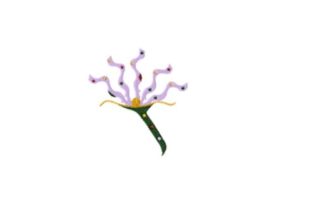
Penny Candy Flower: A Craft Fair Best-Seller Review
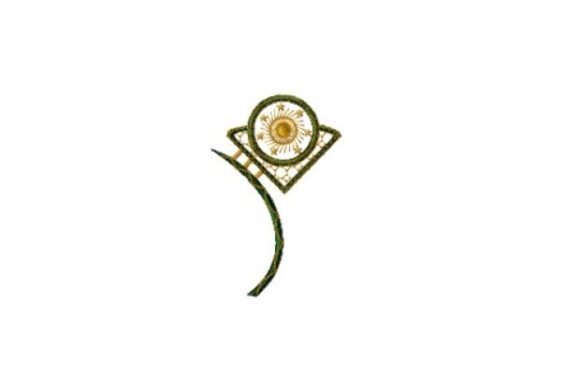
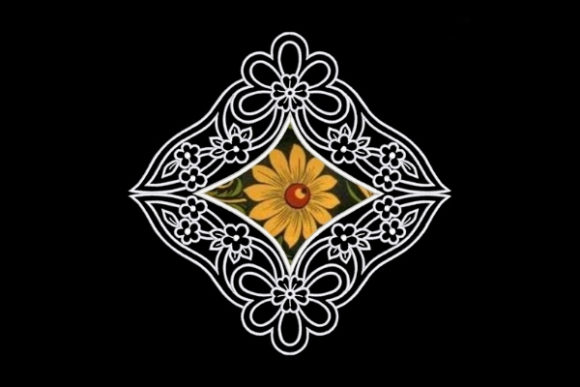
As an embroidery designer who has spent countless weekends behind a booth table, I know that the difference between a browsing customer and a buyer often comes down to one thing: visual impact. When I pulled up the Penny Candy Flower design to evaluate it for my upcoming craft fair lineup, I wasn't just looking at stitches; I was looking at profit potential. This machine embroidery design promises to be an original quality addition to any sewing project, but does it have the charisma to stand out in a crowded handmade market? After reviewing the details and imagining it on various substrates, I believe this design hits a sweet spot between nostalgic charm and modern appeal.
First Impressions: Nostalgia Meets Modern Craft
The title alone, Penny Candy Flower, evokes a specific mood. It suggests something colorful, slightly retro, and undeniably cute. In the world of Sewing and Embroidery, trends cycle quickly, but the "farmhouse cute" and "retro pop" aesthetics have staying power. My first impression is that this design feels festive yet soft. It isn't overly elegant or minimalist; instead, it leans into a decorative style that screams "handmade with love." For a boutique maker, this is gold. It tells a story before the customer even touches the fabric. Whether it features bold outlines or soft fills, the concept suggests a design that works beautifully as a focal point on smaller goods or a charming accent on larger home decor items.
Product Versatility: Where This Design Shines
The real test for any digital embroidery file is its adaptability. Can it survive the transition from a screen to a physical craft fair product? Here is how I see Penny Candy Flower performing across my inventory:
- Tote Bags and Market Bags: This is likely the strongest contender. A tote bag design needs to be readable from three feet away. If the flower motif is bold enough, it becomes an instant eye-catcher on a canvas tote, appealing to shoppers looking for eco-friendly, stylish carry-alls.
- Kitchen Linens: For tea towel embroidery or apron accents, this design fits perfectly. The "candy" theme suggests sweetness, making it ideal for kitchen gifts. An apron embroidery featuring this flower could be the star of a holiday market display.
- Patches and Pouches: Small batch production is key for efficiency. Creating an embroidered patch with this design allows for high-margin add-on sales. Similarly, zippered fabric pouches become instant giftable items when branded with such a distinct motif.
- Home Decor: On pillow covers, the design can serve as a central medallion. However, scale matters here. It must be large enough to show detail without losing its shape.
For an Etsy seller or anyone managing a small shop product line, the versatility of Penny Candy Flower means you can create a cohesive collection. Imagine a table display where the same flower appears on a cap, a towel, and a tote, tied together by consistent thread colors. This brand consistency builds trust and encourages multiple purchases.
Production Realities and Practical Selling Points
From a production standpoint, the viability of a design often hinges on its complexity. Is Penny Candy Flower easy to understand at a glance? Based on the description stating it will look great on any fabric, I assume the lines are clean. A design that photographs well for online listings is crucial. High contrast between the stitch work and the base fabric will make your printable mockup images pop on social media and Etsy.
However, we must discuss the technical challenges. Not all fabrics are created equal. When planning your finished product run, consider the following careful-use notes:
- Fabric Texture: Waffle weave tea towels can swallow small details. If the flower has tiny petals, they might get lost in the texture. Always test on the actual towel material you intend to sell.
- Stitch Density: Dense areas can cause puckering, especially on lightweight fabrics like linen or cotton blends. Check the stitch density settings in your software. If the design is too heavy, it may distort the drape of a tote bag or apron.
- Curved Surfaces: Applying this to caps requires precision. The curved surface of a baseball cap can distort circular floral designs. Ensure the digitizing accounts for pull compensation on curved seams.
- Dark Fabrics: The description mentions it looks great on any clothes, but dark fabrics require careful thread selection. You may need a heavier underlay or specific bright thread colors to ensure the "candy" vibe doesn't look muddy against navy or black.
Maximizing Visual Appeal and Buyer Engagement
In a busy craft fair environment, customers scan tables in seconds. Penny Candy Flower has the potential to stop that scan. Its likely colorful and whimsical nature draws the eye, increasing buyer engagement. When a customer picks up an item, the tactile quality of the embroidery adds perceived value. It transforms a generic $10 tote into a $25 handmade product.
For commercial embroidery operations, repeatability is key. If this design runs cleanly without excessive thread breaks or trim jumps, it becomes a workhorse for batch production. The ability to hoop up six towels at once and let the machine do the work while you manage the booth is the ultimate goal for efficiency.
Designer Notes for Success
Before committing to a full production run, I always recommend a rigorous testing phase. Do not skip the step of stitching Penny Candy Flower on scrap fabric first. Verify the hoop size requirements; if the design is large, ensure your machine frame can accommodate it without re-hooping, which introduces alignment errors.
Select the right stabilizer for your specific fabric. A cut-away stabilizer might be necessary for stretchy knits, while a tear-away could suffice for stable wovens. Compare different fabric colors side-by-side to see which combination makes the design sing. Finally, and most importantly, confirm the licensing terms. The description notes this is an original quality embroidery, but you must verify if the design assets include a license for commercial embroidery sales. Never assume; always read the fine print to protect your business.
In conclusion, Penny Candy Flower appears to be a robust candidate for the handmade market. It bridges the gap between cute aesthetics and practical application. With the right fabric choices, proper stabilization, and strategic placement on high-traffic items like totes and aprons, this design can become a staple in your Sewing repertoire. It is not just a pattern; it is a tool for building a memorable brand presence at your next event.