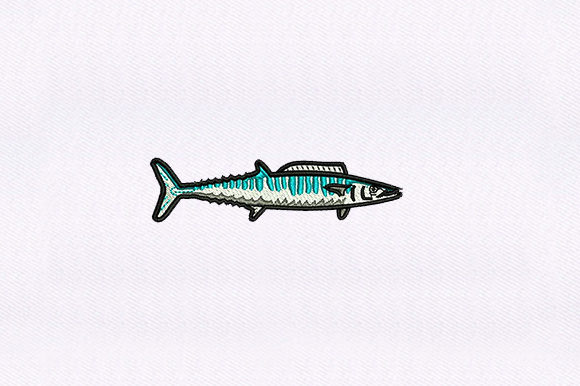
Seafood Wahoo Fish: A Designer's Review for Craft Fairs
As an embroidery designer who has spent countless weekends manning booths at local craft fairs and handmade markets, I know that the difference between a design that gathers dust and one that flies off the table often comes down to immediate visual impact. When I first loaded the Seafood Wahoo Fish machine embroidery design onto my screen to evaluate it for my upcoming seasonal collection, my primary question was simple: does this look good enough to stop a scrolling customer in their tracks? Based on the product description highlighting its high-quality nature and suitability for various fabrics, this design presents a compelling opportunity for sellers looking to capitalize on the coastal, culinary, and outdoor lifestyle niches.
First Impressions and Market Appeal
The title Seafood Wahoo Fish immediately sets a specific tone. It is not abstract; it is literal, bold, and thematic. In the world of handmade product sales, clarity is king. Customers walking past a booth have seconds to process what they are seeing. This design feels rustic yet vibrant, fitting perfectly into the "coastal grandma" aesthetic or the serious angler demographic. Unlike overly intricate floral patterns that can get lost from a distance, a fish motif like this tends to have strong outlines and recognizable shapes. For a craft fair product, this recognizability is crucial. It signals instantly that this item belongs in a kitchen, on a boat, or as part of a summer wardrobe. The description notes it is detailed, which suggests it offers enough texture to look premium up close, satisfying the buyer who picks up the item to inspect the stitch density and craftsmanship.
Strategic Product Placement for Maximum Sales
When planning my booth display, I am always thinking about which blank goods will maximize the potential of a specific embroidery file. For the Seafood Wahoo Fish, several categories stand out as high-performers:
- Tote Bags and Market Totes: A large-scale version of this design works exceptionally well as a tote bag design. Canvas totes are staples at markets, and a bold fish graphic turns a utility item into a statement piece. It appeals to shoppers heading to the farmer's market or the beach.
- Kitchen Linens: This is arguably the strongest category for a food-themed design. Tea towel embroidery featuring a wahoo fish creates an instant connection for home cooks who love seafood. Similarly, apron embroidery using this motif adds a touch of personality to grilling or fishing cleanup duties.
- Patches and Caps: If the design scales down well without losing detail, it becomes a fantastic candidate for an embroided patch. Patches are low-cost impulse buys that allow customers to customize their own gear. Applied to a structured cap, this design targets the fishing enthusiast directly.
- Pillow Covers and Home Decor: For the boutique maker, placing this on a neutral linen pillow cover creates a cohesive coastal decor item that sells year-round, not just in summer.
Production Practicality and Batch Efficiency
From a production standpoint, the viability of a design often hinges on how repeatable it is. The description states the design looks great on any fabric, which is a promising sign for batch production. However, as a professional, I approach this with a critical eye regarding fabric texture. While the design may be versatile, thick terrycloth towels or highly textured canvas can sometimes obscure fine details. Before committing to a full run of finished product inventory, it is essential to test the design on the exact blanks you intend to sell. Does the Seafood Wahoo Fish maintain its clarity on a dark navy tote? Does it pucker on a lightweight cotton apron? These are the questions that determine profit margins.
Furthermore, for the Etsy seller or digital creator, the photographic potential of this design is high. Food and nature motifs photograph beautifully against natural backdrops like wood tables or ocean-side settings. Creating a printable mockup or staging real samples for your online listings should be straightforward, as the subject matter is universally understood. This reduces the cognitive load for the online shopper, potentially increasing conversion rates.
Critical Considerations for Quality Control
While the potential is high, there are technical hurdles to clear before listing this as a small shop product. The description mentions "detailed embroidery," which often implies higher stitch density. High density can be beautiful, but it requires careful handling. When stitching on curved surfaces like caps, dense areas can cause pull or distortion if the wrong stabilizer is used. I strongly advise using a cut-away stabilizer for stretchy fabrics and perhaps a water-soluble topping for textured towels to prevent the stitches from sinking into the pile.
Another factor is color contrast. A fish design relies on the distinction between the body, fins, and background. If you are stitching on dark fabric, ensure your thread colors provide enough pop. A wahoo fish rendered in muted tones on a black shirt might disappear, whereas bright silvers, blues, and yellows could make it sing. Always check the hoop size requirements listed in the file details. If the design is too large for a standard 4x4 hoop, you may be limited in where you can place it, restricting your product options to larger items like jackets or large totes.
Enhancing Brand Value and Customer Engagement
Incorporating the Seafood Wahoo Fish into your lineup does more than just add another SKU; it strengthens your brand narrative. If your booth focuses on coastal living, outdoor adventures, or gourmet cooking, this design acts as a thematic anchor. It tells a story. Customers engage more deeply with products that reflect their hobbies and passions. A fisherman seeing a well-executed wahoo on a hat feels seen; a foodie seeing it on an apron feels understood. This emotional connection drives sales far more effectively than generic patterns.
For those considering this for commercial embroidery services, the versatility of the design allows for custom orders. You can offer personalization by adding a name below the fish, provided the original file allows for spacing adjustments. However, always verify the licensing terms. The description indicates it is a high-quality design for sewing projects, but you must confirm if the license permits selling finished physical goods or if it is restricted to personal use only. Never assume; always read the included documentation for the digital embroidery file.
Final Verdict for the Handmade Entrepreneur
The Seafood Wahoo Fish appears to be a robust contender for any maker's arsenal. Its strength lies in its clear subject matter and adaptability across various design assets and physical products. To succeed with this design, focus on presentation. Create a dedicated section in your booth or online shop for "Coastal & Culinary" items. Use high-contrast fabrics to make the embroidery pop, and ensure your stitching is flawless, as detailed designs leave little room for error. By testing your materials, choosing the right stabilizers, and understanding your audience, this design can become a staple in your inventory, driving both foot traffic at fairs and clicks in your online store. Remember, the goal is not just to stitch a fish, but to create a handmade product that brings joy and utility to the buyer's life.